Pay in installments of $5.24 with
 ,
,
 and
and

Shipping Estimate
USA
- USA
- CAN
- USA
- CAN
Ships within 48 hours · Estimated delivery Jul 20 - Jul 25
 Promo Codes Available:
For Your Every Summer RSVP, with Code: SUMMER15
Description
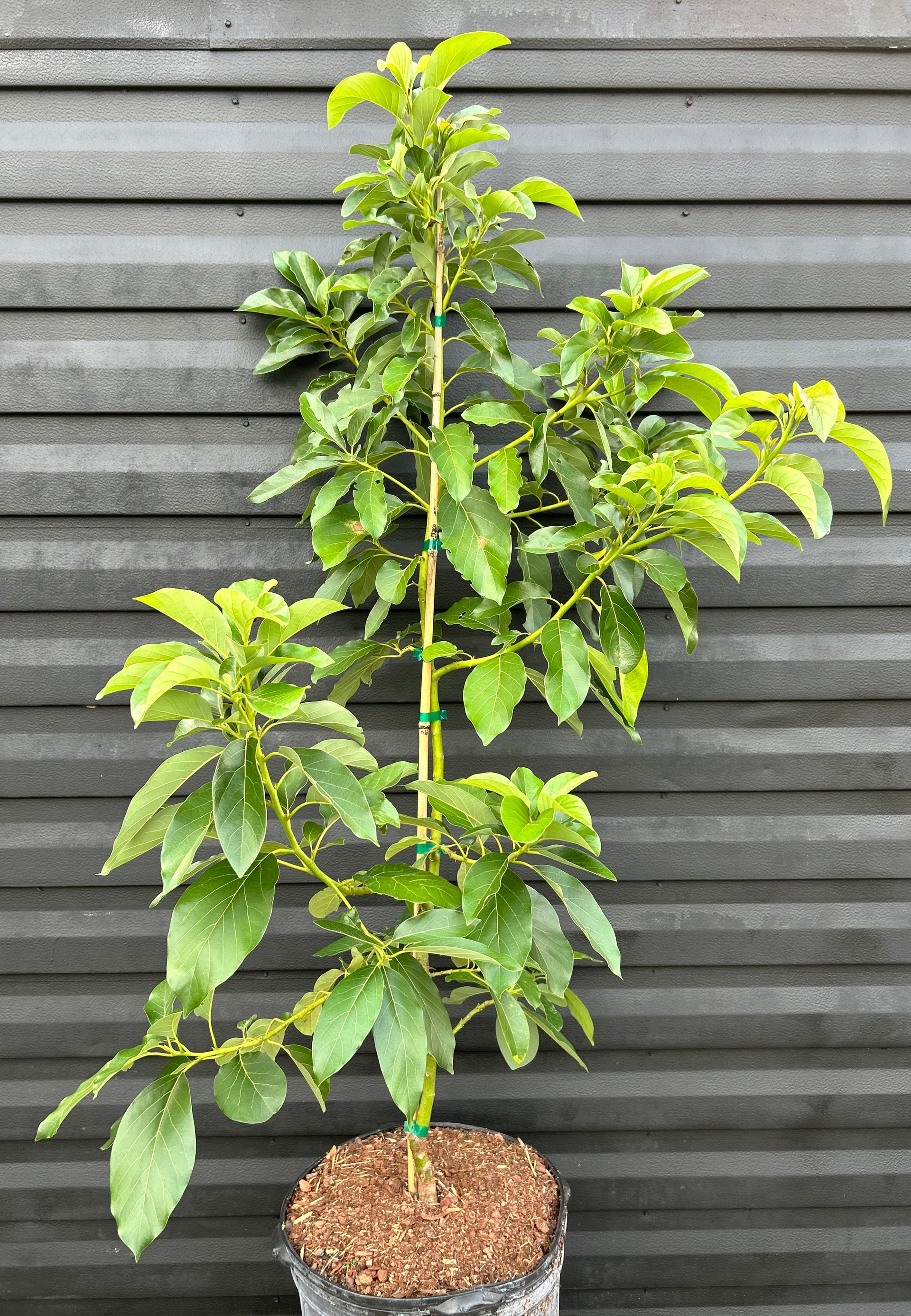
planting avocado tree in a pot Avocado Tree 'Fantastic' – Incredible Edible LandscapesFlower Type: A Mexican Harvest: Aug Oct Fantastic is a pure Mexican type avocado and is known to be very cold hardy. It grows upright and is somewhat vigorous. The fruit is on the smaller side, with very thin green skin and high oil content. It ripens from August to October. ___________________________________________________________________________ Latin name Persea americana The Avocado tree originates from the highlands of Central America, and has
Flower Type: A / Mexican / Harvest: Aug-Oct
‘Fantastic’ is a pure Mexican type avocado and is known to be very cold hardy. It grows upright and is somewhat vigorous. The fruit is on the smaller side, with very thin green skin and high oil content. It ripens from August to October.
___________________________________________________________________________
Latin name - Persea americana
The Avocado tree originates from the highlands of Central America, and has been under human cultivation for at least 5,000 years. Rich with monounsaturated fats, vitamins, and minerals, Avocados are a supremely healthy fruit. Their rich, buttery flavor and culinary versatility make them a prized ingredient in kitchens worldwide, but mostly we think of Avocados as a pillar of Mexican cuisine.
Avocado trees can thrive in a broad range of climates and growing conditions, but one of their most remarkable features is their widespread fruiting season. In Florida, Avocado season is at its peak in the late-summer and fall months, but fruit can be harvested almost year-round when planting multiple varieties with overlapping ripening periods. See our Avocado variety guide below for information on early, mid, and late ripening cultivars.
The Avocado tree itself is reasonably fast growing, evergreen, and usually takes a wide, bushy form. Tree vigor can vary between varieties, and each seems to have their own unique leaf shape and growth habit. Avocado trees can begin to bloom in early spring and continue through summer, usually shedding lots of leaves during the onset of the bloom period. They require ample water to thrive, but will not tolerate flooding, standing water, or overly saturated soils. Root rot can occur quickly when standing water is present, so choose a location with well draining soil or consider planting on a mound.
In backyard cultivation as well as commercial growing, it is recommended to prune Avocado trees from a young age to encourage lateral branching, which leads to easier harvesting as fruit is kept within reach. Pruning can be done in mid-summer as well as after harvest. Avocado trees need full sun to thrive, but in our plantings we have noticed that young trees benefit greatly from partial shade in the first couple of years while establishing. This can be achieved by planting fast growing support species in the vicinity of your tree, and pruning periodically to manage the level of sunlight hitting your tree.
Grafted Avocado trees will usually produce fruit within two years, but seedling trees take 8-10 years on average, with varying fruit quality. One common misconception about Avocado trees is that multiple trees are required to get fruit. This isn’t exactly the case, but it stems from the fact that Avocados have two different classes of flowers - Type A and Type B. These are distinguished by their tendency to exhibit their male and female anatomy at different times of day. Type A flowers will open as females in the morning of the first day, and then close. In the afternoon of the second day, the flowers will open again, this time as males. Type B flowers open as females on the afternoon of the first day, then close and open again as males the following morning. Both Type A and Type B Avocado trees are capable of self-pollinating and will produce fruit on their own, without another tree present. However, this split flowering pattern means that fruit set and overall yield can be significantly increased when both types are planted in close proximity to each other. For this reason, we do recommend planting multiple trees if you have the space. As mentioned above, different Avocado cultivars can be harvested many months of the year. So if you love eating avocados, you’ll benefit from planting both A and B types as well as early, mid, and late ripening varieties.
One final major distinction between Avocado types is their geographical origin and associated traits. There are three primary races of Avocados: Mexican, Guatemalan, and West Indian. Each of these categories have distinct qualities of both the fruit and the tree.
Mexican Avocados are the most tolerant of cold weather, some even surviving temperatures below 20 degrees fahrenheit. They are the least salt tolerant, and generally more adapted to dryer conditions. Their leaves tend to be smaller and pointier, and sometimes the crushed leaves will smell of anise. This seems to be an indication of cold tolerance. Mexican avocados are relatively small and have a thin, waxy skin, often turning black at maturity, but not always. The oil content of the fruit tends to be higher than other types, making them creamier.
Guatemalan Avocados are somewhat less cold tolerant, but still plenty hardy from south Florida to central Florida. They are fairly salt tolerant. The fruit can vary in size but are usually larger than pure Mexican types. Guatemalan avocados have a thicker skin, usually with a rough texture, and color can vary from dark green to black. The oil content of the fruit is average, somewhere between the Mexican and West Indian types. The fruit takes the longest to develop on the tree compared to the other types.
West Indian Avocados can be somewhat vulnerable to cold and are better planted in the southern part of Florida, or in a warm microclimate or coastal region further north. They have a much higher level of salt tolerance compared to Mexican types. The leaves tend to be larger and more round. The skin of the fruit is thin and usually shiny but sometimes dull green. The fruit can vary in size but some of the largest avocados come from the West Indian race. The oil content is lower than Guatemalan and Mexican types and can have a more watery flavor. Often when people refer to “Florida” avocados, they are actually referring to West Indian varieties.
Many cultivated Avocado varieties are a hybrid of two or more of these types. It is important to note that these categories don’t necessarily indicate the growth rate/size of the tree, amount of fruit production, harvest season, or flavor/eating quality of the fruit. Each cultivar will have its own tendencies.
Perhaps the most common question asked by customers choosing an avocado variety is this: “Is it a creamy ‘Hass’ or a watery ‘Florida’ avocado?”
The reality is that there is a large spectrum of flavor, and oil content alone doesn’t always determine whether an avocado is enjoyable. We are used to buying Hass avocados at the grocery store, due to their massive commercial production in California and Mexico, but the Hass variety isn’t produced and actually doesn’t perform all that well in Florida, because of our heavy seasonal rainfall and high level of humidity. Many of our favorite avocado varieties come from all over the spectrum, including West Indian, Mexican, and Guatemalan types and their hybrids. If you enjoy eating Avocados and they are an important part of your diet, you’ll be thrilled when you can pick them from your own trees! One of the best perks of growing avocados is that they don’t need to be picked all at once, and can be harvested a few at a time from the tree and ripened on your counter for whenever you need them. We encourage you to try as many varieties as you can, and discover your own favorites!
___________________________________________________________________________
Size: Can grow 30+ ft tall, but possible to manage at 12-15 ft with pruning.
Sun Requirements: Full sun
Cold Hardy: Variable - see individual variety descriptions.
Harvest Season: Summer, Fall, Winter - depending on variety.
Watering requirements: Loves water. Will tolerate short drought periods, but thrives with irrigation.
Food Forest Layer: Canopy
**Important Note: Avocado trees will not tolerate flooding for any period of time. Avoid planting in areas where there may be standing water after a heavy rain.**
Shipping Notes
- Free Standard Shipping on $100+ Orders to the USA.
- Except Preorder products are shipped in 48 hours.
- Delivery to the USA:
- Standard Shipping : 3-10 business days
- If time is of the essence, please consider selecting expedited delivery for faster service.
Exchange/Return Notes
- We offer a 30-day return/exchange service after receiving.
- Final sale items are not eligible for returns or exchanges.
- To process your return/exchange, please contact us at [email protected]
- Please click here for more details>>> Return & Exchange Policy